
Roof Insurance Claims Explained for Homeowners
How to Navigate the Process After Storm Damage
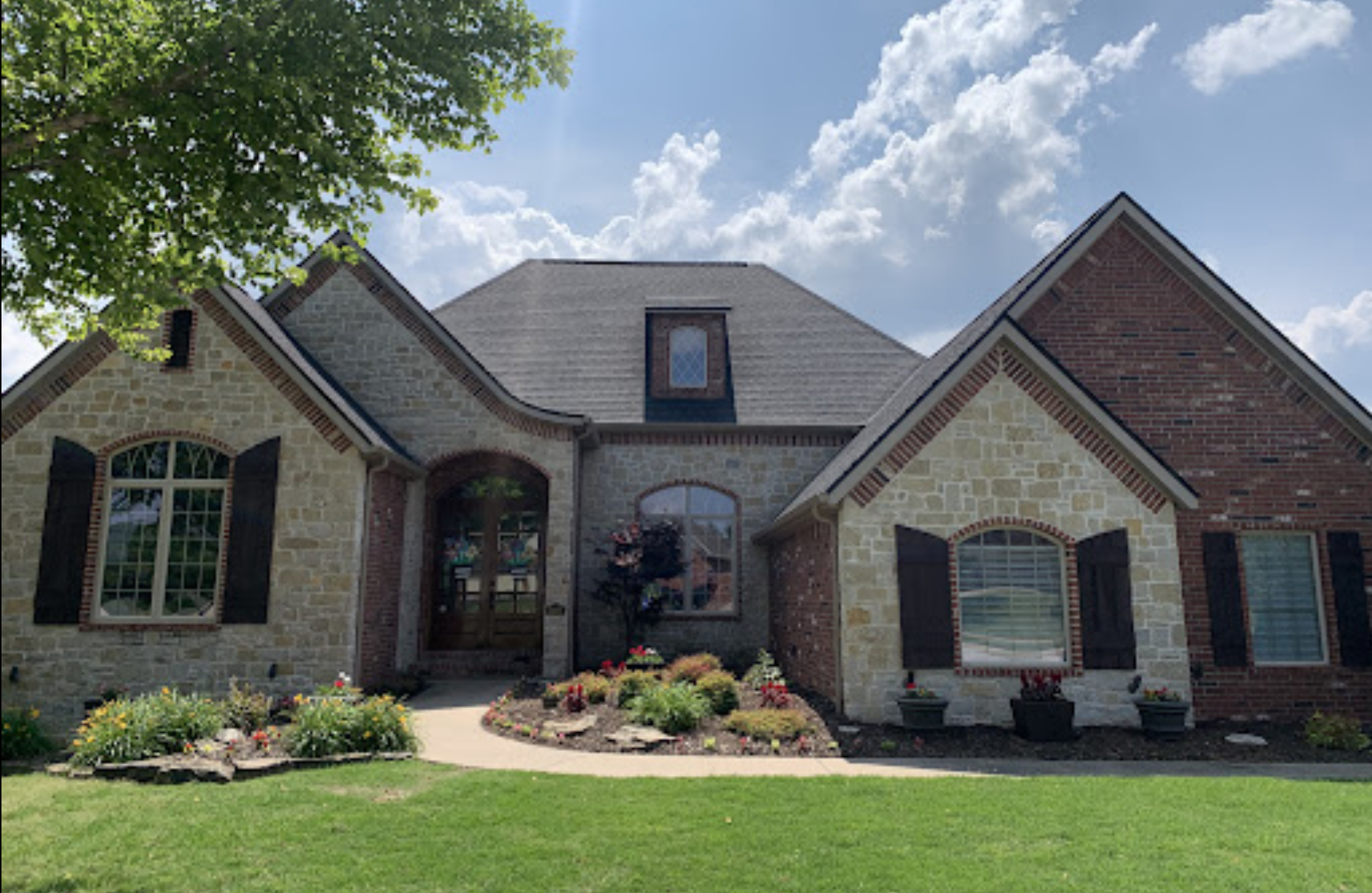
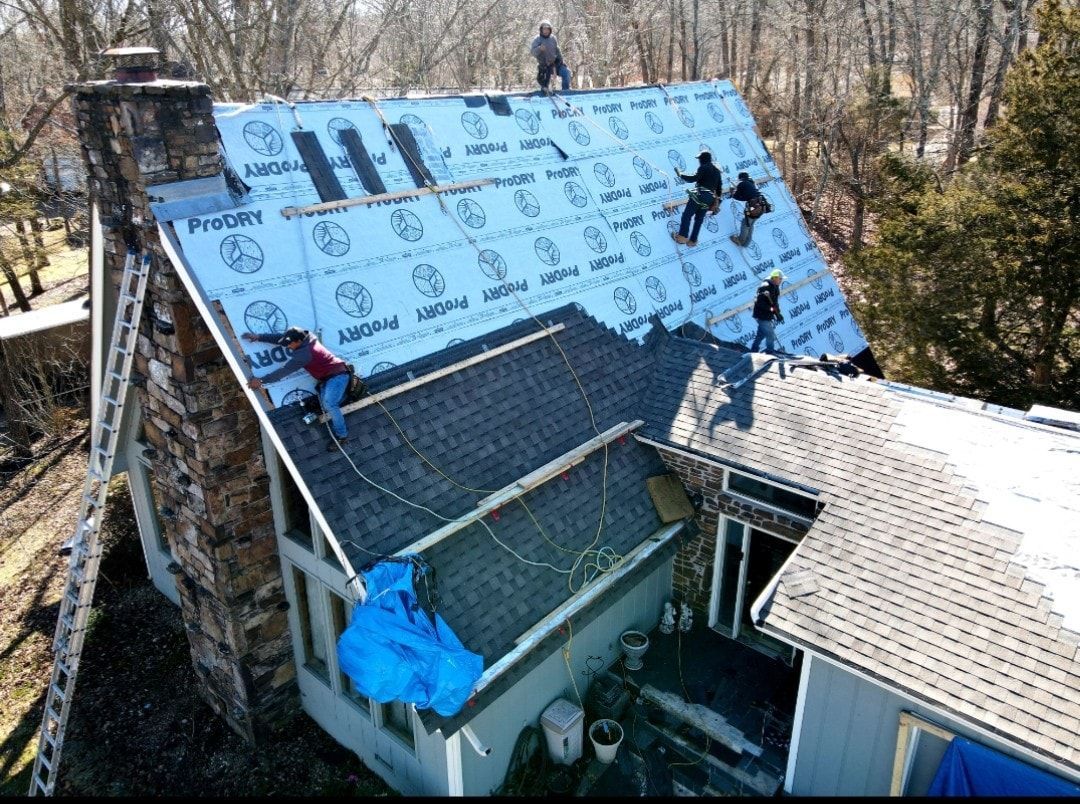
Dealing with roof damage is stressful enough, but understanding the insurance claims process can make it even more overwhelming. If your home has been affected by hail, wind, or severe weather, knowing how roof insurance claims work can help you move forward with confidence and avoid costly mistakes.
The first step after noticing damage is to schedule a professional roof inspection. While you may see obvious issues like missing shingles or leaks, a trained roofing contractor can identify hidden damage that insurance companies often look for. Having a detailed inspection report strengthens your claim and ensures nothing is overlooked.
Once damage is confirmed, the next step is to contact your insurance provider. Most policies cover storm-related damage, but coverage can vary depending on your plan. When you file a claim, be prepared to provide basic information such as the date of the storm and a description of the damage.
It is also important to document everything. Take clear photos of any visible damage to your roof, gutters, and surrounding property. If there is interior damage, document that as well. This evidence can support your claim and help speed up the approval process.
After your claim is submitted, your insurance company will typically send an adjuster to inspect your roof. The adjuster’s job is to assess the damage and determine what is covered under your policy. Having your roofing contractor present during this inspection can be beneficial, as they can point out areas of concern and ensure nothing is missed.
Once the claim is approved, you will receive an estimate outlining the scope of work and coverage. At this point, you can move forward with repairs or replacement. A reputable roofing company will work with you to complete the project according to the approved estimate and help ensure everything is handled correctly.
In some cases, homeowners may need to cover a deductible, which is the out-of-pocket portion required by your policy. Understanding this upfront can help you plan financially and avoid surprises during the process.
Timing is also important. Most insurance policies have a limited window for filing claims after a storm, so it is best to act quickly once you suspect damage. Delaying the process could result in denied coverage or additional complications.
Navigating a roof insurance claim does not have to be complicated. With proper documentation, a professional inspection, and clear communication with your provider, you can move through the process smoothly and get your roof restored without unnecessary stress.
If your home has recently experienced storm damage, taking these steps early can make all the difference in protecting your investment and getting the coverage you deserve.